
Why Arizona Weather is So Hard on Roofs
🔥 Extreme heat before monsoon season
Summer temperatures regularly push well over 110°F. That level of heat causes roofing materials to expand and contract daily, which slowly loosens tiles, weakens sealants, and creates small separation points at flashing and penetrations.
On tile roofs, this often shows up as:
Slipped or shifted tiles
Cracked tiles from thermal stress
Deteriorating mortar (“mud balls”)
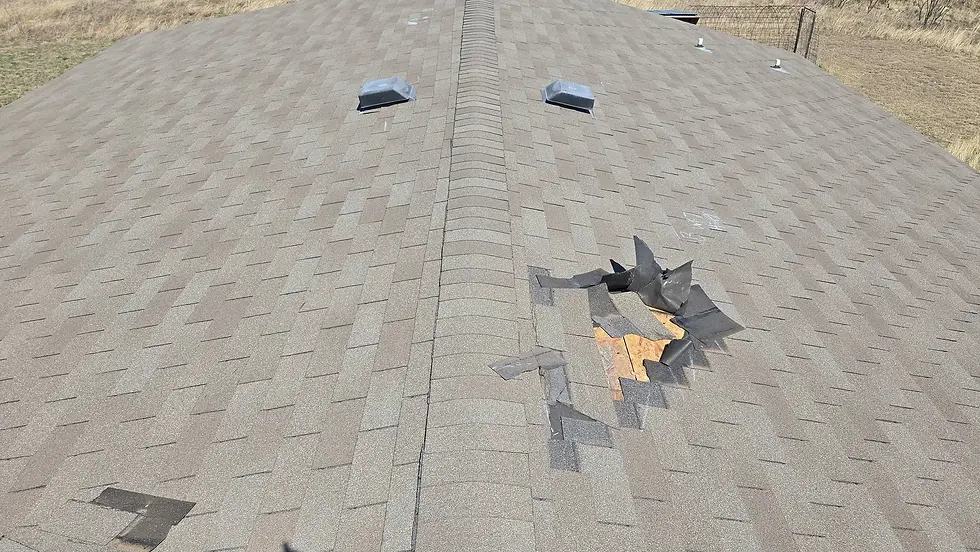
Exposed underlayment in small areas
🌩️ Monsoon storms bring sudden roof stress
Once monsoon season begins, the weather shifts fast—high winds, heavy rain bursts, and dust storms all in the same week.
These conditions can:
Lift or displace loose tiles
Force water under compromised flashing
Turn small underlayment exposure into active leaks
Push debris into roof valleys and drainage points
What was a “minor repair” in May can become interior water damage by July.
💨 Wind-driven rain exposes weak points
Even a small opening around a vent, pipe, or flashing detail can allow water intrusion during sideways rain events. In many Arizona roof leaks, the issue isn’t the roof field—it’s the penetrations and transitions.
Common failure points include:
Plumbing vents
Gas vents
Dryer exhaust vents
Roof-to-wall transitions
Valley and edge metal details
What We’re Seeing on Arizona Roofs Right Now
Recent inspections across the Valley consistently show similar patterns:
Cracked and slipped tile systems on newer homes
Minor flashing gaps around roof penetrations
Mortar deterioration at tile connections
Dryer vents sticking open or not sealing properly
Bird activity and droppings accelerating surface wear
Even homes built as recently as 2020–2023 are showing maintenance-level issues due to climate stress and installation tolerance over time.
Why Small Repairs Matter Before Monsoon Hits
The biggest mistake homeowners make is waiting until a leak appears.
Once water enters:
Damage spreads beneath the roof surface
Underlayment can deteriorate quickly
Interior drywall and insulation become affected
Repair costs increase significantly
Preventative roof repair is always less expensive than water damage restoration.
What a Proper Pre-Monsoon Roof Inspection Should Include
A thorough inspection should not just “look at the roof”—it should identify early failure points such as:
Displaced or broken tiles
Weak or missing mortar
Flashing gaps and vent issues
Underlayment exposure
Debris buildup and drainage concerns
Addressing these areas before storms is the key to preventing emergency repairs during peak season.
Final Thought
Arizona roofs don’t fail overnight—they fail gradually, then suddenly during monsoon season.

A small repair today is often what prevents a major leak tomorrow.
If you’re a homeowner in the Phoenix Valley, now is the time to get ahead of the weather before the first major storm rolls in.
Comments